
Earaches: Causes, Symptoms, Treatment, and When to See a Doctor
What Causes Earaches and What You Should Know
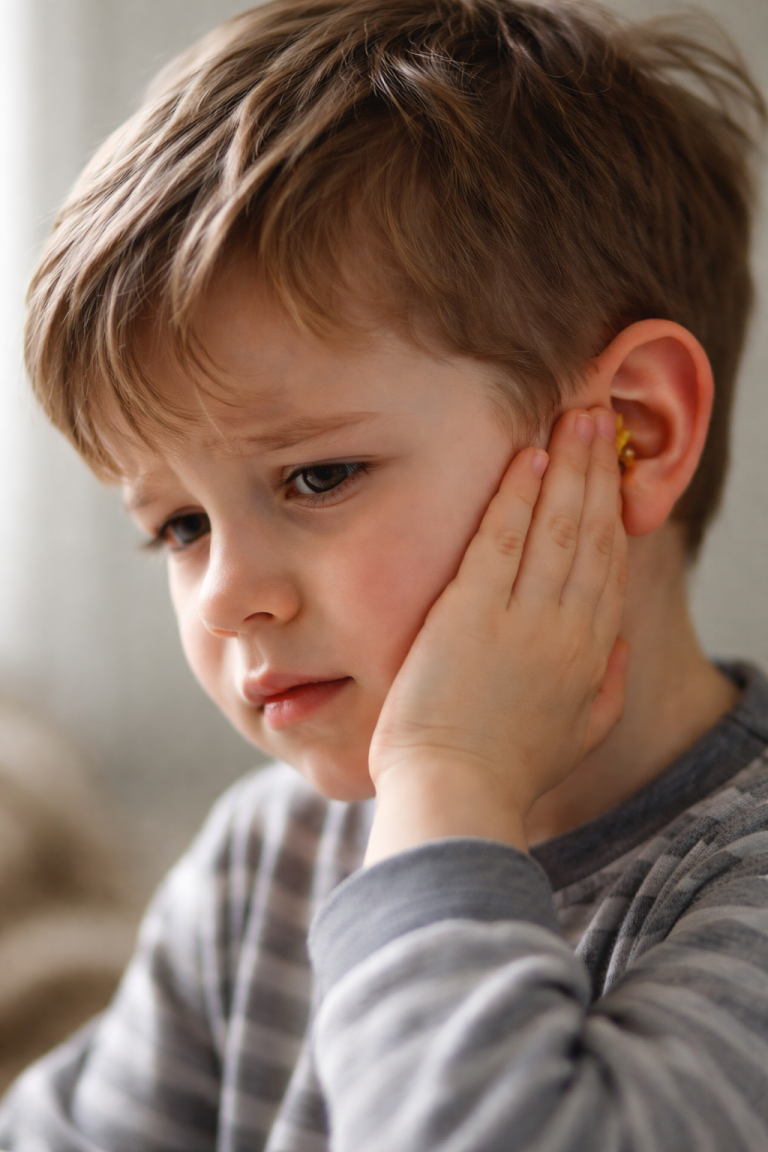
An earache is pain felt inside or around the ear. It can happen to people of all ages, but it is most common in children. Ear pain can feel mild or very strong. Some people feel a dull ache that lasts all day, while others feel sharp or burning pain that comes and goes. An earache may affect one ear or both ears at the same time. While ear pain is often not serious, it can sometimes be a sign of a problem that needs medical care. Knowing what causes earaches, why they happen, how they are treated, and who is most affected can help you decide what to do next.
An earache happens when something irritates or inflames the ear or the areas around it. The ear is connected to the nose, throat, jaw, and sinuses, so problems in those areas can also cause ear pain. This is why an earache does not always mean there is an ear infection. Many different conditions can lead to pain in or near the ear, and the cause is not always easy to tell without a medical exam.
One common cause of earaches is an ear infection. Ear infections often happen when bacteria or viruses get trapped behind the eardrum. This can cause swelling, fluid buildup, and pressure inside the ear. Children are more likely to get ear infections because their ear tubes are smaller and can become blocked more easily. Adults can also get ear infections, especially after a cold, flu, or sinus infection.
Another cause of ear pain is poor function of the eustachian tube. This tube connects the middle ear to the back of the throat. Its job is to balance pressure inside the ear. When the tube does not open or close the right way, pressure can build up and cause pain or a feeling of fullness. This often happens during airplane travel, when driving up or down mountains, or when you have allergies or a cold.
Problems with the jaw can also cause earaches. The jaw joint sits very close to the ear. This joint is called the temporomandibular joint, or TMJ. If this joint becomes inflamed or strained, pain can spread to the ear. People who grind their teeth, clench their jaw, or have arthritis in the jaw may feel ear pain even though the ear itself is healthy.
Sinus infections are another reason people feel ear pain. The sinuses are air-filled spaces in the face that connect to the nose. When the sinuses are swollen or infected, pressure can build up and cause pain that spreads to the ears. Tooth infections can also cause earaches because the nerves in the teeth and ears are closely connected.
Earaches can also be caused by things inside the ear. Too much earwax can block the ear canal and press against the eardrum. This can cause pain, hearing loss, and a feeling of fullness. Water trapped in the ear after swimming or bathing can irritate the ear canal. Shampoo or soap left in the ear can also cause discomfort. In some cases, a small object stuck in the ear, especially in children, can cause pain and swelling.
Injuries to the ear may lead to an earache as well. A blow to the ear, loud noise, or sudden pressure changes can damage the eardrum. A perforated, or torn, eardrum can cause pain, hearing loss, and fluid drainage. Some people notice that severe pain suddenly stops. This can be a sign that the eardrum has ruptured and should be checked by a doctor.
The symptoms of an earache can vary depending on the cause. Pain is the most common symptom, but it may feel different for each person. Some people feel steady pain, while others feel pain that comes and goes. The ear may feel itchy, swollen, or warm. There may be redness around the ear or inside the ear canal.
Other symptoms can include fever, especially in children. Some people feel pressure or fullness in the ear, like it needs to pop. Hearing may seem muffled or reduced. Ringing sounds, known as tinnitus, can also occur. In some cases, fluid may drain from the ear. This fluid may be clear, cloudy, or mixed with blood or pus.
Certain symptoms mean you should seek medical care right away. Severe ear pain, dizziness, trouble walking, or a strong headache can signal a serious problem. Swelling around the ear or face, weakness in facial muscles, or drainage that smells bad should not be ignored. If ear pain lasts more than one or two days, gets worse, or does not improve, it is important to see a healthcare provider.
Treating an earache depends on what is causing the pain. When the cause is treated, the pain usually improves. A doctor may look inside the ear, check the nose and throat, and ask questions about symptoms. In some cases, medicine is needed. This may include antibiotics for bacterial infections or other treatments based on the diagnosis.
While waiting to see a doctor or while the ear is healing, there are safe ways to ease pain at home. Resting in an upright position can reduce pressure in the ear. Lying on the side with the painful ear facing up may help reduce discomfort. Applying a cool, damp cloth to the outside of the ear can soothe pain and swelling. Chewing food or gum can help open the eustachian tube and relieve pressure. Over-the-counter pain medicine may help, but it should be used as directed.
Eardrops may be helpful in some cases, but they should not be used if there is a chance the eardrum is torn. If you are not sure, it is best to ask a healthcare provider first. Never place objects into the ear to try to clean it, as this can push wax deeper or cause injury.
Preventing earaches is often possible with simple habits. Keeping the ears dry after swimming or bathing can help prevent irritation and infection. Avoiding smoke and strong air pollution can reduce inflammation in the ears and sinuses. Managing allergies and treating colds early may help prevent pressure buildup in the ears. Children should be taught not to put small objects into their ears.
Earaches can affect anyone, but some people are more at risk. Young children, people with allergies, frequent sinus infections, or jaw problems may have ear pain more often. Earaches can happen at home, at school, during travel, or after illness. No matter where they occur, paying attention to symptoms and acting early can prevent problems from getting worse.
Ear pain can be uncomfortable and sometimes frightening, especially when it affects a child.
Most earaches are treatable and improve with proper care. Understanding what causes earaches, why they happen, how they are treated, and when to seek help can make a big difference in comfort and health. If ear pain concerns you or does not improve, a medical professional can help find the cause and guide the right treatment.
Stop suffering from ear discomfort. Whether you are dealing with sharp pain or a feeling of fullness, our experts can help. Request your appointment today with SomnoSleep & ENT Consultants to get the relief you deserve.