
Earwax Removal: The Complete Guide
Earwax might seem like a minor annoyance, but understanding what it is, why blockages occur, and how to safely address them is essential for maintaining healthy ears. This comprehensive guide will help you recognize the signs of earwax buildup and know when it’s time to seek professional care.
What Is Earwax and Why Do We Need It?
Earwax, medically known as cerumen, is a yellowish waxy substance produced by healthy ears. Far from being just a nuisance, earwax serves several critical protective functions for your ear health. It protects the ear from bacteria, water, and foreign particles that could otherwise cause infections or damage. Additionally, earwax assists in the cleaning and lubrication of the ear canal, keeping the delicate skin inside your ears healthy and comfortable.
Under normal circumstances, your ears are remarkably self-sufficient. Usually, excess wax is removed from the ear canal naturally through jaw movements like chewing and talking, which help push old wax toward the outer ear where it can be easily wiped away. However, when this natural process is disrupted or when too much wax is produced, problems can develop. If a buildup does occur, the earwax will become hard and block the ear, leading to uncomfortable symptoms and potential complications.
What Causes Earwax Blockage?
Understanding the causes of earwax blockage can help you prevent future problems. A blockage of earwax is usually caused by an overproduction of earwax or insufficient cleaning. However, surprisingly, the most common cause of a blockage is incorrect at-home earwax removal. Many people use cotton swabs thinking they’re cleaning their ears, but often, instead of cleaning out the earwax, it is just pushed deeper inside the ear. This creates a compacted mass that becomes increasingly difficult to remove naturally.
Modern lifestyle factors also contribute to earwax buildup. Earphone and ear plug usage can cause wax buildup, as the earphones can prevent earwax from naturally coming out of the ear canal. People who wear hearing aids face similar challenges, as these devices can interfere with the ear’s natural self-cleaning mechanism. Additionally, some individuals simply produce thicker or more abundant earwax due to genetics, and as we age, earwax tends to become drier and harder, making it more prone to causing blockages.
Recognizing the Symptoms of Earwax Blockage
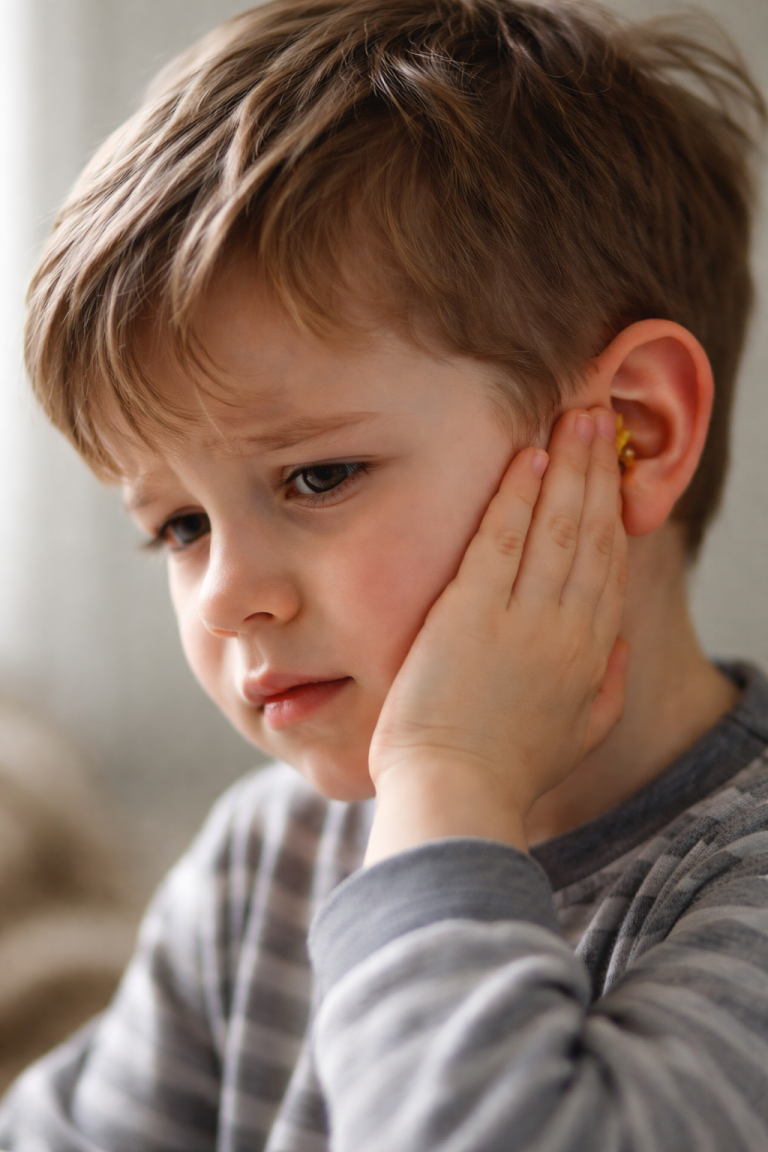
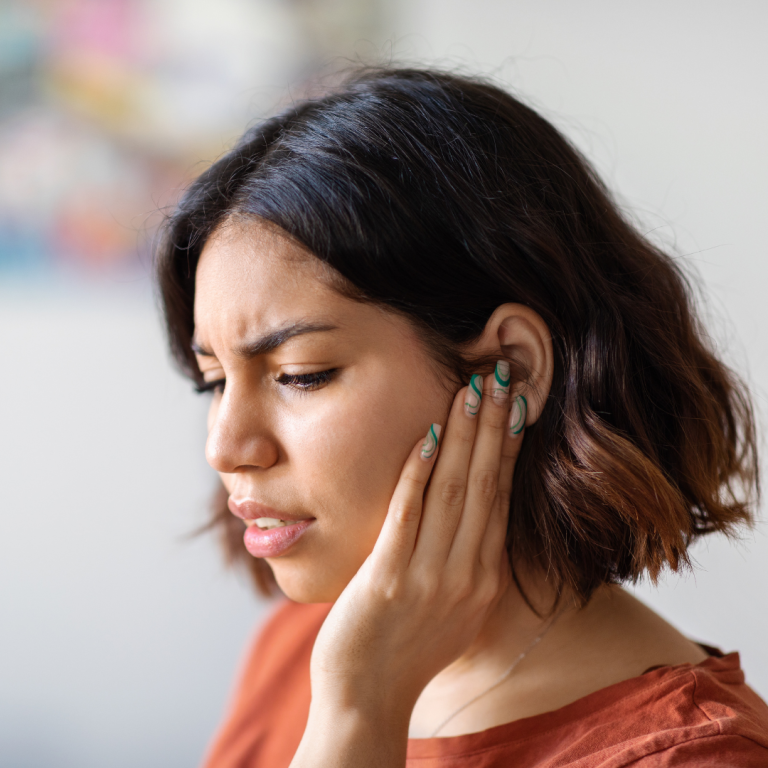
Knowing the warning signs of earwax buildup is crucial for addressing the problem before it becomes severe. Earaches, a feeling of fullness in the ear, hearing loss, and ringing in the ear, known as tinnitus, are all common signs of earwax blockage. These symptoms can range from mildly annoying to significantly impacting your daily life and quality of hearing.
If the earwax is not removed, an infection can develop, which presents more serious symptoms. This would include severe pain in the ear that does not subside and a fever. If you are experiencing any of these symptoms, you should talk to your doctor, as these may also be signs of a more serious condition beyond simple wax buildup. It’s always better to err on the side of caution when it comes to your hearing health, as untreated ear problems can lead to complications or permanent damage.
Professional Treatment for Earwax Blockage
When you visit a healthcare provider for earwax concerns, the diagnostic and treatment process is straightforward and typically painless. In order to diagnose a buildup of earwax, your doctor will need to look in your ear with a special magnifying instrument called an otoscope. This allows them to see exactly what’s happening inside your ear canal and determine the best course of action.
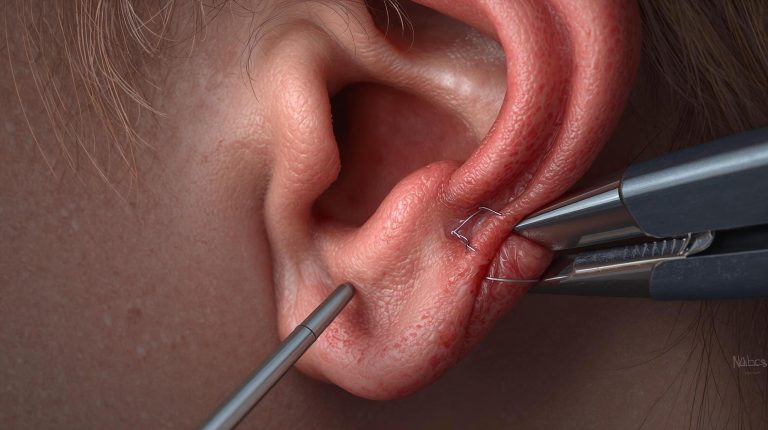
Once diagnosed, your doctor can remove the wax buildup using several safe and effective methods. They may use a small curved instrument called a curet to gently scoop out the wax, employ suction to vacuum it out, or remove it by flushing out the wax using a water pick or warm water with controlled pressure. These professional methods are much safer and more effective than at-home attempts, especially for significant blockages. If earwax buildup continues to be a recurring problem, wax-removal medications may be recommended to help manage the condition long-term.
Safe At-Home Earwax Management
While professional treatment is often the best option, there are safe at-home methods for managing minor earwax buildup. As long as your ear is healthy and does not have a tube or a hole in it, at-home treatments can be helpful to manage earwax buildup. However, it’s crucial to use proper techniques to avoid pushing wax deeper or damaging your ear.
The safest approach involves softening the wax first. An eyedropper can be used to apply a few drops of baby oil, mineral oil, or hydrogen peroxide into the ear canal. This is done to soften the wax, making it much easier to remove safely. Once soft, after an hour or a few days depending on the severity of the buildup, the wax is ready to be removed.
For the removal process, a rubber-bulb syringe can be used to gently squirt warm water into the ear canal. It’s essential that the water is at body temperature, as water that’s too cold or too hot can cause dizziness or discomfort. Once the water has drained out of the ear, the ear should be dried thoroughly with a towel. This procedure can be repeated several times until the wax has been removed, but if you don’t see improvement after a few attempts, it’s time to consult a professional.
What to Avoid
Knowing what not to do is just as important as knowing proper removal techniques. Never insert cotton swabs, bobby pins, keys, or any other objects deep into your ear canal. These can push wax deeper, puncture your eardrum, or cause painful scratches to the delicate skin inside your ear. Ear candles, despite their popularity in some alternative health circles, are both ineffective and dangerous, potentially causing burns or ear damage. Stick to proven, safe methods or seek professional help instead.
When to Seek Professional Help
While minor earwax concerns can often be managed at home, certain situations require professional medical attention. You should contact your doctor if you experience severe pain, sudden hearing loss, drainage or foul odor from the ear, dizziness, fever, or if at-home methods haven’t resolved your symptoms after a few days. Additionally, if you have a history of ear surgery, a perforated eardrum, or ear tubes, you should always consult a professional rather than attempting at-home removal.
Need Professional Earwax Removal?
If you’re experiencing earwax buildup, hearing difficulties, or ear discomfort, our experienced team is here to help. Don’t let earwax buildup affect your hearing or comfort. Ensure your ear health is in expert hands — with our specialists today for safe and effective professional earwax removal and ensure your ears stay healthy and comfortable.
Take The Next Steps Towards Better Breathing and Sleeping
If you’re feeling exhausted, struggling to fall or stay asleep, snoring, or worried about an ear, nose, throat, or sleep-related issue, schedule a diagnostic evaluation at SomnoSleep & ENT Consultants today. Call our office to book your visit, or request an appointment online to get started.